


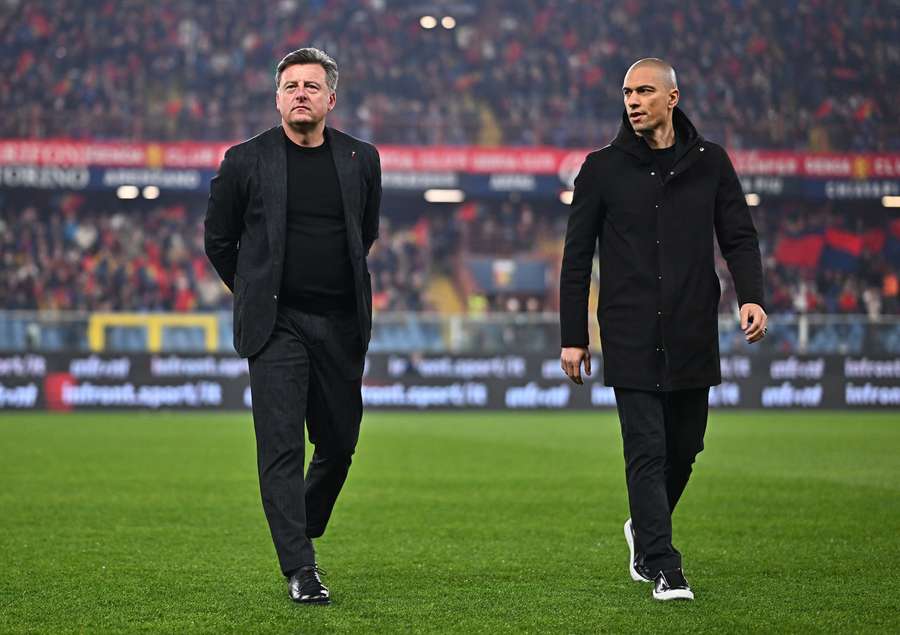
Former Swiss international Gokhan Inler called time on his playing career in 2024 and has since taken on the role of technical director at Udinese, one of his previous clubs, where he now operates behind the scenes.
For someone who is completely new to football, how would you define the role of a technical director? What are your primary duties?
“It’s a role that encompasses everything—what I like to refer to as a 360-degree position. My responsibilities require me to engage with players, coaches, and various staff departments; it’s essential to have a comprehensive understanding of the club’s operations. I believe a technical director, or sporting director, should have a holistic view of the environment.”
“This role is evolving constantly. When I was a player, I didn’t see technical or sporting directors as often on the field. Nowadays, that profile is always present, observing, participating in training sessions, and analysing performance metrics. I suppose that’s why I’m here—it’s stimulating work, and you need to be adaptable to tackle any challenge that comes your way.”
Did you find it straightforward to transition from being a player to taking on a managerial role in football?
“Not at all. Initially, I had to come to terms with the end of my playing career. I spent around a year contemplating my next steps. As a player, it’s inevitable to think about your future. My long-term goal had always been to become a sporting director.”
“I now have a position where I’m responsible for the team, and it’s entirely different. You must be available 24/7 for everyone—not just the players, but for everyone involved in the club. To be honest, my over 20 years of experience have served me well, but you must remain sharp and ready for any situation. Each day can present new challenges, so you must strive for balance while maintaining respect and readiness.”
With terms like ’24/7′ and ‘360 degrees’, was there any aspect of the role that caught you off guard? Is there something from behind the scenes that you didn’t notice as a player but is crucial now?
“As a player, your focus is primarily on performance—staying fit, recovering well, and being prepared. That’s the extent of it. However, transitioning into this role has shed light on the immense pressure from various fronts. You must manage expectations, seize opportunities, and address everything—from footballing matters to fan engagement. The dynamics have changed dramatically.”
“To ensure players can deliver on match day, you have to prepare them comprehensively. Players face tremendous pressure from the media, fans, personal lives, and training routines. Football has undergone significant changes, and that means you must remain alert and proactive.”
Do you experience more pressure in your current role compared to your time as a player?
“Both roles have significant pressure, though it’s manifested differently. As a player, the challenge is physical—you need to perform at a high level daily. In this role, the demands are less about physical fitness and more about mental agility. You must remain lucid, as emotions can fluctuate daily. It’s vital to be clear with yourself and accept that you’re here for both the good and challenging days. Honesty is key, both with the players and the staff.”
“A player can go home to unwind and spend time with family, but in this role, even after training, the work continues. You have to plan for the next day, oversee marketing responsibilities, and manage numerous other aspects. It’s an entirely different experience, but it’s one I genuinely enjoy.”
Do you believe football is more demanding today compared to 15 or 16 years ago, both for players and in positions like yours?
“Absolutely. Expectations have escalated. There is significantly more media coverage and the influence of social media is profound. In the past, we didn’t face that level of scrutiny. Nowadays, every action is visible, and everyone is watching. This is equally true for our roles, which bear a significant amount of responsibility.”
Many former players express a sense of relief that they played during a time before social media became prevalent. Do you share this sentiment, or would you prefer to play today when players can also promote themselves?
“There are merits to both perspectives. Ultimately, you must respect your role and dedicate yourself fully to your job with integrity. Today, players have the opportunity to market themselves and engage with their fans.”
“Previously, when I was younger, the focus was mainly on playing the game and striving for victory. While that remains crucial, modern players must also consider performance from a public relations angle, as the player’s image carries significant weight in terms of respect and credibility.”
Let’s delve into the concept of ‘Udinese DNA’. How would you characterise a Udinese player? What traits are essential?
“Udinese has a reputation for nurturing talent and exceptional players. The core of our ‘DNA’ is to perform to the very best of the player’s abilities—the resources are available for that. However, they must first understand the culture and the context; Udinese is not on par with Milan or Napoli.”
How do you convey this message? Is there a formal initiation process for new players?
“Yes, since my arrival, I’ve proposed a structured approach to welcome new players. We orient them to our ‘DNA’—not just in terms of football, but also in relation to theUdinese culture and our passionate supporters. Our squad consists of players from various backgrounds, which is why it’s vital for them to feel properly introduced.”
“For me, the onboarding process is an essential aspect. After that, consistent guidance is crucial. Each player brings a unique personality to the team, but we are working to provide them with advantageous opportunities, and they have shown respect for that.”
The club clearly has a strategic focus: identifying talented players, nurturing their development, and eventually selling them to larger clubs. This approach has proven highly successful. Did this long-term vision influence your decision to accept this role?
“I’ve had a close relationship with the Pozzo family since my playing days, and I kept in touch even after leaving. I always appreciated their work ethic, which aligns with my own values. Understanding the Pozzo family’s vision was an honour for me in taking this position immediately after my career closure. Sometimes, you have to wait for such an opportunity, but this was something special for me.”
“Language skills are crucial—Italian, being the primary requirement. My proficiency made a significant difference, as few former players transition into such demanding roles. It’s a tough area and not everyone is suited for it. You must be driven and eager, and I was determined to embrace this challenge.”
Does it ever frustrate you to realise that when a player excels, it often leads to their departure to another club at the season’s end?
“Players come here to develop, and if they perform well over two to three years, bigger clubs will undoubtedly seek them out. However, before that opportunity can arise, a player must put in substantial effort. I was in a similar situation; I spent four years here, worked hard, showcased my skills and moved to Napoli, which was a significant advancement for me. I understand how to communicate with players and guide them effectively.”
“That said, it’s difficult to lose key players at times. For instance, Florian Thauvin joined us as a skilled professional, but he wasn’t yet showcasing his full potential. Under our guidance, he flourished, becoming a leader and captain with a standout season.”
“We’ve shifted the mentality and the team spirit. Udinese has a legacy for that, but the hard work behind the scenes deserves recognition too. I want to commend the Pozzo family for their remarkable stewardship; it’s a key reason we have maintained a presence in Serie A for over three decades.”
It’s unusual for a club to remain under the same ownership for 40 years…
“That’s true, especially in this region. We’re surrounded by prominent clubs, making this a notable accomplishment. Sometimes, it’s necessary to induce a bit of pressure on the players, and Udinese has earned a reputation for assisting players in taking the next step. If you perform well, the club will support you; if you don’t meet expectations, you will face pressure.”
In your capacity as a former captain, do you collaborate with Coach Kosta Runjaic to identify leaders within the squad?
“Absolutely. Drawing from my experience as captain of the Swiss national team under Ottmar Hitzfeld, I understand that leadership transcends just wearing an armband; it involves meaningful work. You must always maintain positivity, respect teammates, foster unity, and represent the club well in the media.”
“Here in Udine, I can easily spot potential leaders. We had determined Thauvin as our first captain, given his World Cup-winning experience. He and Jaka Bijol formed a remarkable duo last season, and we ultimately sold both. This year, we have selected Jesper Karlstrom and Sandy Lovric as captains, following discussions with the coach.”
Your career has long been defined by hard work. Is that why the Pozzo family entrusted you with this opportunity—to guide young players towards becoming elite athletes?
“I believe so. With over 20 years of experience, I’ve encountered numerous highs and lows. Communicating with a player directly in their language enhances comprehension well beyond relying on a translator. My experience enables me to articulate how they can rise to the top. Simply being on the pitch isn’t enough; they need to be made aware of what it entails.”
“Football is more than just having financial backing and showing up for training. I started from nothing; I was dedicated. Every day was a lesson in sacrifice. I’ve never smoked or consumed alcohol—it’s widely known. At Leicester, no one anticipated the club would win, yet I served as a leader, albeit playing only five games that year; it was one of the toughest periods of my career as I lost my spot and captaincy in the national team.”
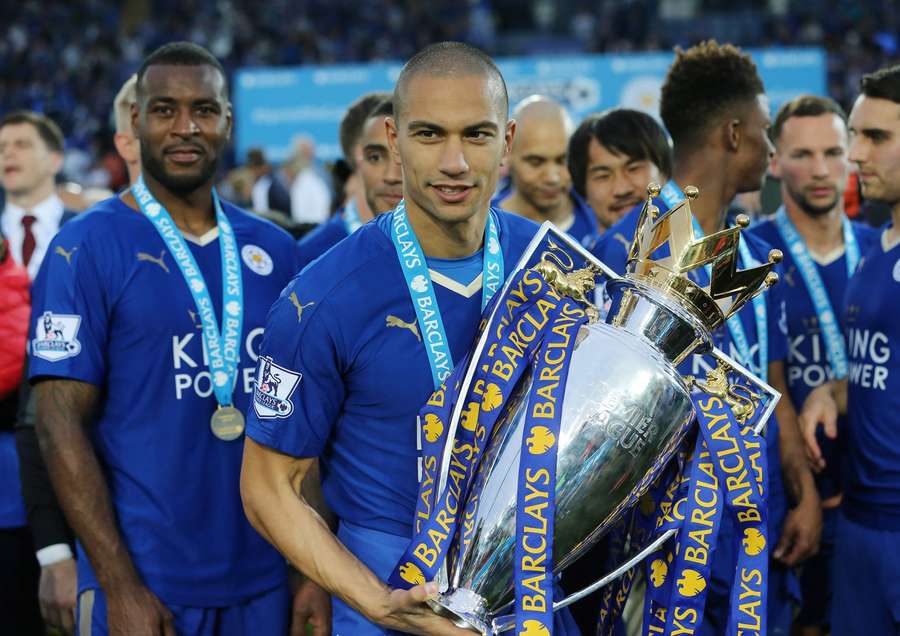
Reflecting on that fairy-tale Leicester title decade later, were there challenges for you personally during that season?
“From a football perspective, it was challenging because (N’Golo) Kante and (Danny) Drinkwater were exceptional. None had the recognition at the time. Despite that, we had an amazing team spirit. I consistently motivated them to elevate their game. I could have easily opted to exit in the summer, but instead, I persevered and pushed Kante and Drinkwater to excel under pressure.
“Ultimately, the title represented a monumental achievement for me. The lessons I’ve learned from my time there are invaluable. I often remind players: ‘Climbing to the top is no easy feat.’
Do you leverage the Leicester success story to encourage players that with hard work, anything is possible?
“I regard the Leicester story as a powerful metaphor. When players are in despair due to lack of playtime, I remind them it’s not the end. Consistent effort leads to change. Following Leicester, I went on to play for another eight years in Turkey, marking a pivotal shift for my career; I chose to push forward without an agent, and it felt like a second lease on life.
“Hence, maintaining clear and honest communication with the players is essential. Ultimately, they are the ones who perform on the pitch; it doesn’t matter if the coach or I could play. The players are central, so I ensure every interaction is handled professionally.”
Compiled by SportArena.au
Fanpage: SportArena.au.
LiveScore – Live Sports Results & Odds.
