


Louna Ribadeira expressed her current state of mind, stating, “I’m truly thrilled at the moment; I’m in a good place. As the season comes to a close, it is somewhat disappointing, but I’m feeling well. I’m nearer to finishing than to starting. I have no pain whatsoever. Honestly, I’m just feeling good.”
Your last match occurred on February 2nd, 2025, playing for Everton against Leicester in the English Championship. Does that feel like a long time ago?
“Not at all… In fact, I didn’t play long at all. For me, my last actual match was two years ago.”
How does it feel to make a comeback after being sidelined for two years?
“I’m overjoyed, excited; I simply can’t wait. Sometimes, I don’t even fully realise it, as I’ve been so close to being told ‘that’s it’ that every recurrence has kept me grounded. I’m taking it step by step. Now that I know it’s nearly done, the prospect of playing a match again fills me with happiness.”
Are you scared about playing again, considering your history of recurring injuries?
“No, not because of my injury or my condition. The recurrence isn’t a concern for me. However, I acknowledge that if I do get hit in a sensitive spot during the first match, it might feel quite peculiar. But, overall, I thrive on challenges. Regardless, I’ll need to face that a few times.”
During training with the team, do you feel any apprehension?
“Not at all; in fact, I’ve visualised myself getting hit again at some point. So whether that occurs now or in my first match, it’s just a reality I need to face. It’s more about how I’ll react than how my body will respond… I don’t approach it with anticipations; it’s more about my reaction.”
You’ve mentioned feeling as though you haven’t played in two years. Can you describe what’s happened in that time?
“I signed with Chelsea, went on loan to Paris FC, and was pre-selected for the Olympics. I participated for two weeks at the Olympics before injuring my knee. After returning to Paris FC, I was still in recovery. Once I was back, discussions ensued between the clubs, the coach, and myself, and playing time was scarce.
“I had a brief 10-15 minutes during a match against PSG, and there were disagreements. That motivated my move from PFC to Everton in January. Then, I was thrown back into the rhythm of things.
“That’s when my body essentially told me, ‘Given everything you’ve faced, it’s time to stop’. I sustained a stress fracture that kept reoccurring. The first instance of a bone graft didn’t succeed, nor did the second. Thankfully, the third time seems to be working.”
How have you coped with all this?
“I believe one of my strengths is that I’ve always had a bit of a level head and maturity—my parents instilled in me that injuries can happen. I’ve always kept that in mind.
“This time around, I’ve gained a wealth of experience. I’ve learned a lot about myself and refocused on what truly matters. Football is my passion, and I want to ensure that it stays that way. Too many circumstances have sought to derail my love for the sport, and I’ve wanted to emphasise that football is my job and passion, but it shouldn’t dominate my entire life.
“I want to strike a balance between my professional and personal life, as family is incredibly important to me. I desire involvement in things beyond football, having realised that too much focus can be detrimental.”
You’ve undergone two surgeries in England. How were those operations for you?
“The first was a bit of a letdown—after the season ended, I was struggling to play for six months. Everton were perhaps a bit quick to make changes due to the transition from France to England.
“I wanted to turn the page on that season, so I didn’t take it negatively. The second operation, however, was exceptionally tough. I was meant to return by June or July for pre-season, but when I learned that another procedure was necessary, it was a heavy blow.
“I was alone in England when I received that news, and it weighed heavily on me. After the third surgery, I was fortunate to complete my rehabilitation at Clairefontaine, a familiar environment. I could be with my family in the Paris region, which helped during recovery, but the second one was incredibly hard.”
In your YouTube series ‘AUTHENTIQUE’, you mention feeling isolated during your recovery post-surgery. How was the support from family, friends and Chelsea during that challenging time?
“I can’t fault Chelsea. They did all they could to ensure I was in the best situation. Sonia (Bompastor) personally took care of everything for me to go to Clairefontaine.
“She prioritised my needs, emphasising that it was essential to care for me first as a person. Before the second operation, when I was informed more surgery was required, I felt very alone until my mother arrived.
“Being immobilised meant I needed to return to France for support, as my family couldn’t remain in England with their own lives to consider. Once the ‘post-operation’ stage passed, things improved considerably. But that interval between learning I needed further surgery and the actual operation was very tough.”
‘They created a beast’
Looking back, how would you say you emerged from this experience?
“I feel like they’ve forged a beast inside me. I have abundant dreams and ambitions, and I’ll do whatever it takes to achieve them. This time out has allowed me to hone in on my capabilities both physically and mentally.
“The match context differs greatly—there’s adrenaline, opponents, and uncertainty; that aspect will vary… However, with regard to my individual preparation, I can confidently say I’ve worked hard, and all I want is to return to the pitch.”
You mentioned that the second operation was particularly hard. Did you ever contemplate quitting during that time or at other moments?
“Never. Though I was encouraged to do so, it was never an option for me because I have goals and, above all, dreams. I’m determined to do everything I can to achieve them. It sounds cliché, but I never entertained the thought of quitting; fear never crossed my mind.”
In your series, you feature your family discussing studying… Did returning to school during your recovery ever cross your mind?
“(She ponders) No, no, no. But you shouldn’t tell them that; it’s really a debate best left undisputed. They were correct to say, ‘So, what’s next for you?’”
“Currently, I’m fortunate to earn a stable income, and I’m not keen on squandering that. I aim to create something for myself so I won’t have to return to school feeling like I’ve got nothing.”
What lessons did you take from this period?
“I’ve invested in real estate and have projects in the works. I’m exploring various avenues of entrepreneurship, looking to learn from those who are accomplished in that area. With time, I aspire to branch into those ventures myself. But aside from that, I’m still the same; nothing’s fundamentally changed.”
What have you been up to outside of football? Considering the heavy rehab schedule, do you have any hobbies?
“Firstly, I haven’t missed any significant family events, which has been a tremendous aspect for me, as I’m incredibly close with my family. Missing birthdays and weddings would have affected me deeply; being present has meant the world.
“Throughout my career, I’ve realised the sacrifices made regarding family time—this enforced break allowed me to reconnect with them. While I can’t say I’ve found a new passion, my visits to family, rehab, and their support were just what I needed.”
Aitana Bonmati, who also faced a severe injury, expressed that her body forced her to slow down so she could enjoy aspects of life that are often neglected as a footballer. Do you feel similarly, almost as if your body willed you to pause, mentally and physically?
“Honestly, I think my body definitely told me to stop. The mental aspect I faced at 20 was something few people might understand or have encountered.
“Sometimes, recognising when to stop and when to restart is crucial. I believe in destiny, and I think this happened for a reason. I don’t wish to experience it again.
“It’s essential to step back in order to rise again. Careers aren’t linear, and there will always be ups and downs. I’d prefer this learning experience now, while I’m young and can adjust, rather than at the pinnacle of my career.”
‘My parents were extremely concerned’
You often discuss life after football. Do you contemplate what lies ahead post-career, especially given the struggles you’ve faced with surgery?
“No, I think I’m still young, but I often hear that I should think about it. My parents, in particular, were very concerned about the possibility of my football journey ending. At 20, not having pursued any formal education means devoting your entire youth to football. One day, without any prior warning, you could find yourself without that path. It can be quite damaging without proper support.
“Thus, my family has continuously reminded me of this reality, and I will always be cautious because you never know what might happen tomorrow. While I did not feel an overwhelming fear, I acknowledge it’s not something that only happens to others.”
When the second surgery failed, what were your thoughts at that time?
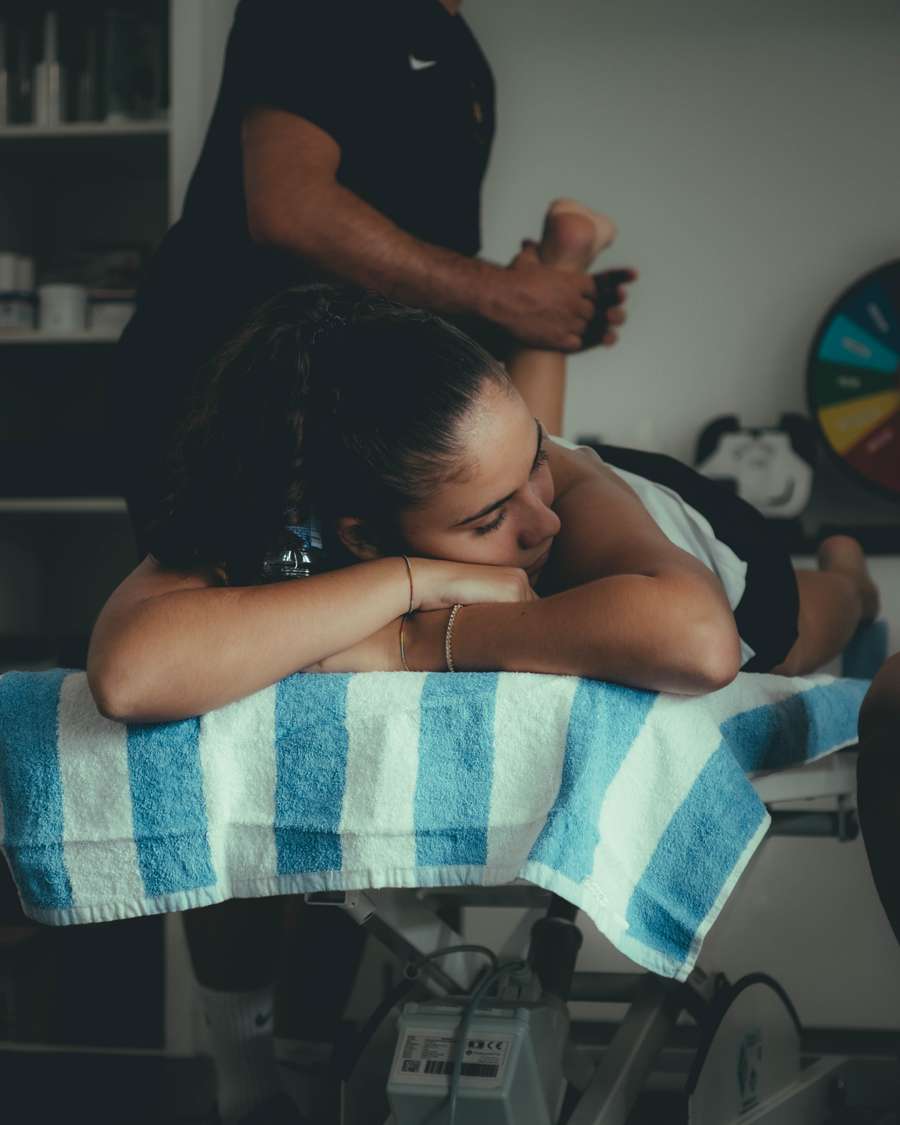
“The pain was intense, and even daily living became complicated. The experience was different from the first and second surgeries. It prompted a need for me to address my personal life because although I could walk, it was painful.
“It’s not right at 20 to be unable to walk comfortably. It felt like a humanitarian necessity—prioritising my own well-being before football. I had faith in my surgeon, who maintained an optimistic outlook throughout.
“He never suggested my football career might come to an end. His confidence encouraged me to believe that it would work out. Importantly, I realised that if I lacked mental belief, the recovery wouldn’t work. I wasn’t fully mentally prepared for the first two surgeries. This time, I committed wholeheartedly, and thankfully, the outcome has been favourable.”
What kind of support did you receive? Did you have access to a mental coach or psychologist?
“I engaged with a psychologist at Clairefontaine. The various physiotherapists, alongside the conditioning staff, provided immense support. My family and friends were incredible, as everyone believed in me.”
You’ve gained a lot through your experiences. Can you identify specific learnings from this injury?
“Primarily, I’ve been reassured about my values and what I want to impart to others. Nowadays, football feels like an obsession; achieving success is a must. However, it’s my passion, and I don’t want it to turn negative. I want to arrive at training with a smile, strive for my goals, and deliver strong performances. This situation has prompted me to reassess my perspective and relationships.
“If someone is negative, I don’t want them in my life. I recognise that there are worse incidents in life than the challenges I’ve undergone. I’m learning to accept that perhaps this happened to me at the age of 20, and I aim to prevent a recurrence.”
‘I’m cured’
How do you maintain motivation transitioning from team training to independent training?
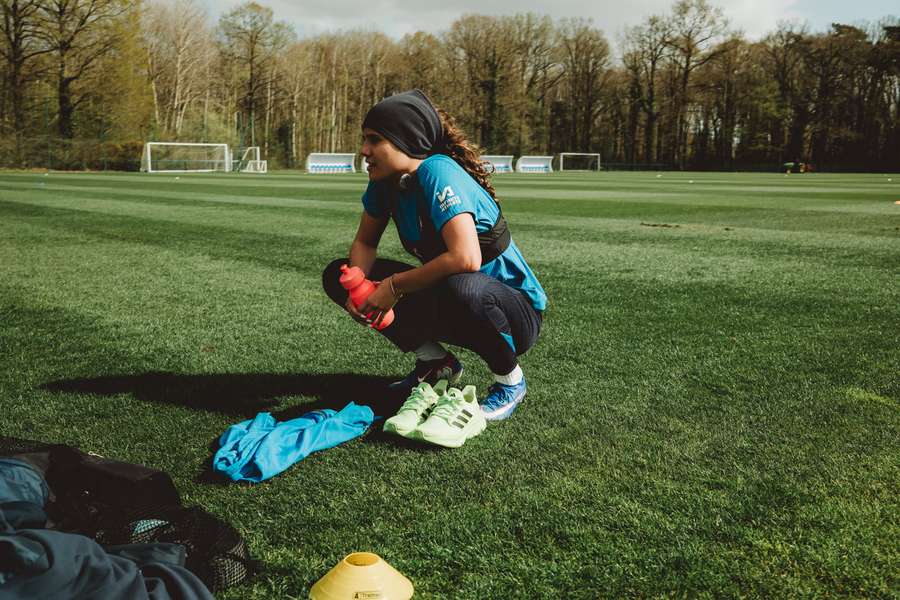
“Indeed, sometimes it feels monotonous. By the third time, I knew my exercises off by heart. Knowing that I want to return to the pitch fuels my motivation, even though some training sessions aren’t enjoyable. It’s part of human nature to feel unmotivated at times, so I continuously strive to refocus on my core reasons for being there.”
Did you seek advice from other players who have been through similar experiences, perhaps Kessya Bussy, who faced a stress fracture in her foot while at Paris FC?
“Not precisely in the same area, but I encountered similar challenges as her, both mentally and physically. I would share my sensations with her, saying, ‘I’m feeling this or that…’ and she would assure me, ‘That’s typical; don’t worry; it will clear up!’ I’m genuinely grateful for her support; she offered solid advice and remained positive.”
Are you optimistic about your return? With just three matches left in the season, how are you feeling?
“I’m a believer! I hope to get some playing time. The message I wish to relay isn’t so much ‘I’m ready’ but instead ‘I’m healed.’ After missing a year and a half of playing, it’s unrealistic to expect readiness overnight; what I need now is match experience. Importantly, I want to convey that I’ve triumphed—’I’m cured’.”
Have you found the expectations of those around you overwhelming at times, with constant inquiries about your return?
“Absolutely! The questions about my progress were incessant: ‘What’s happening? When will you play again?’
“To be honest, it felt like I wasn’t progressing since I was repeating the same updates daily. I’m glad to have that stage behind me. It’s beneficial that people genuinely care and are interested, but from a mental standpoint, saying the same thing repeatedly can wear on you. It’s over now, and I’m relieved no one will be asking me about it anymore.”
Even those closest to you displayed concern? Did you feel the need to communicate your comeback plan?
“Eventually, I stopped telling them anything since they’d constantly have questions.
“I finally told them, ‘Listen, I’ll inform you when there’s a breakthrough. Once I’m ready to play again or achieve another milestone in my rehabilitation, I’ll let you know.’ This made our conversations much more productive. My psychologist actually advised me this way, and that significantly reduced the barrage of questions. Now, they’re eagerly anticipating my return to training.”
How did you break the news that your rehabilitation was nearing completion?
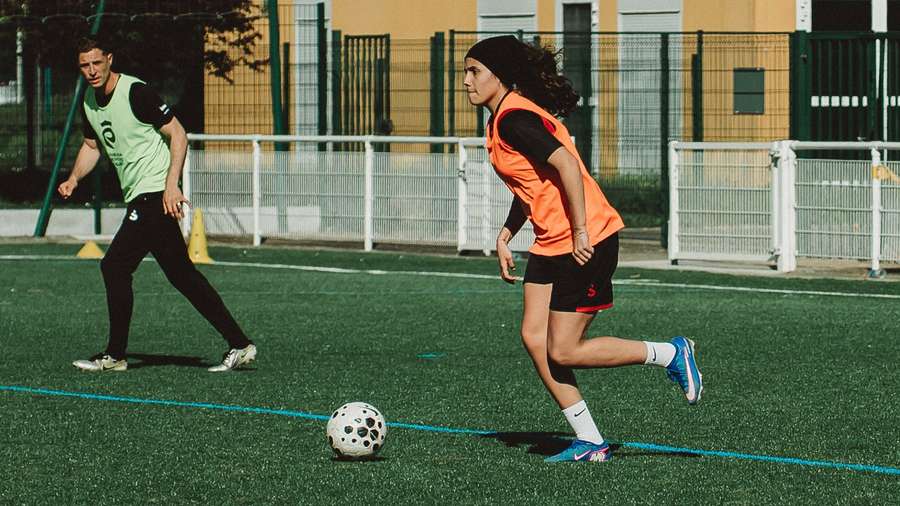
“They’ve been closely following my journey, so they were aware when I restarted training with the team. Upon learning from my surgeon that I could play again, I shared my progress with them. I have already been training with Fleury for three weeks, and when the opportunity arises, I’ll be ready.”
‘I won’t let any opportunity slip away’
What has the experience been like when stepping back into the squad? Did you feel like an outsider since you weren’t frequently part of the group?
“Yes, there were times I would join training for short spells and then leave. I had returned in October, thinking it was my time to start again, but it wasn’t. Integrating back into the group was quite rediscovering; the girls welcomed me warmly, showed interest in my recovery, and genuinely made me feel valued. It seems like I’ve landed in a wonderful place.”
You mentioned that returning to the Paris region during your rehab allowed you to stay close to your family. What was your day-to-day life like?
“In the immediate aftermath of my surgery, I was unable to drive to my physiotherapy sessions and was immobilised for two months, meaning I had to rely heavily on my parents. I didn’t go to Clairefontaine during that initial phase, which felt unproductive.
“After that, I transitioned to regular visits, which became quite the routine for three months. It was intense, but it was necessary to ensure I could get back on my feet.”
Did you encounter any players from the French national team during your time at Clairefontaine?
“Yes, I did! During my final session, I ran into Marie (Katoto) and Grace (Geyoro). I also saw Clara (Mateo) from my time at Paris FC. Thiniba (Samoura), my friend, came by to check in on me. They were all busy preparing for World Cup qualifiers and were in their own zone.”
Did that atmosphere feel uplifting?
“Having been capped twice for the senior national team, I received warm support, but I can’t say they were ‘my team’ yet. Nonetheless, I connect well with Marie and Thiniba, and our chats were pleasant.”
Your career has been remarkably rapid; you signed with Chelsea quite young. However, since joining Chelsea, things have not unfolded as you envisioned. Do you have any regrets?
“Not a single one! What I’ve faced was meant to occur. I didn’t want to miss the opportunity presented by Chelsea; I seized it wholeheartedly, and there’s nothing to regret.
“I remind myself that perhaps these challenges are paving the way for a brighter future—or they might not. It’s far from what I anticipated or what others envisioned for me, but it was destined to unfold this way.
“Moving forward, I feel the hardest part lies behind me, and I’m prepared for what’s next. As the season winds down, I will remain ready. Once back on the pitch full-throttle, I intend to seize every opportunity that arises.”
Was the weight of high expectations tough to navigate at such a young age when you initially signed with Chelsea?
“Not particularly, as I have a strong support system around me. Chelsea represented a well-deserved reward for my hard work and perseverance. It reflects my efforts, and I’m intent on elevating my game further. I am committed to continuous improvement.”
Were there times when you felt like you’d be forgotten after such a significant absence from the field?
“Of course, that feeling crossed my mind. Coming off a season where I was viewed as a top prospect, signing with Chelsea, and representing the French national team, the descent was palpable. It hurt deeply.
“What I experienced with Paris FC and the opportunities I capitalised on occurred at an extraordinary young age; it’s overwhelming. There were discussions around me, often not favourable: ‘She signed for Chelsea but we don’t see her anymore; she was in the French team, and now she’s inactive…’
“It’s my friends and family who are more affected, always keeping an eye on the buzz, and consequently, I feel impacted. I think, ‘Oh really? Just you wait until I make my comeback!’ My stance is more about not living for others—it’s essential to live for myself. So if others think otherwise, that’s alright. I’m determined, and once I’m back, I’ll give it everything.”
Is there an element of vindication driving you?
“There’s a significant vindictive aspect. After all, it’s our profession, but ultimately, it’s the public that supports us. However, I can’t attempt to please everyone. I operate under the principle that as long as I adhere to my values and excel at my club, that’s what truly matters.
“My family’s health and well-being take precedence; they’re what I prioritize. I can’t satisfy everyone, and now I simply want to demonstrate to those who doubted me… I’ll be ready when the opportunity arrives.”
Athletes often mention returning stronger following an injury. Do you feel that’s the case for you?
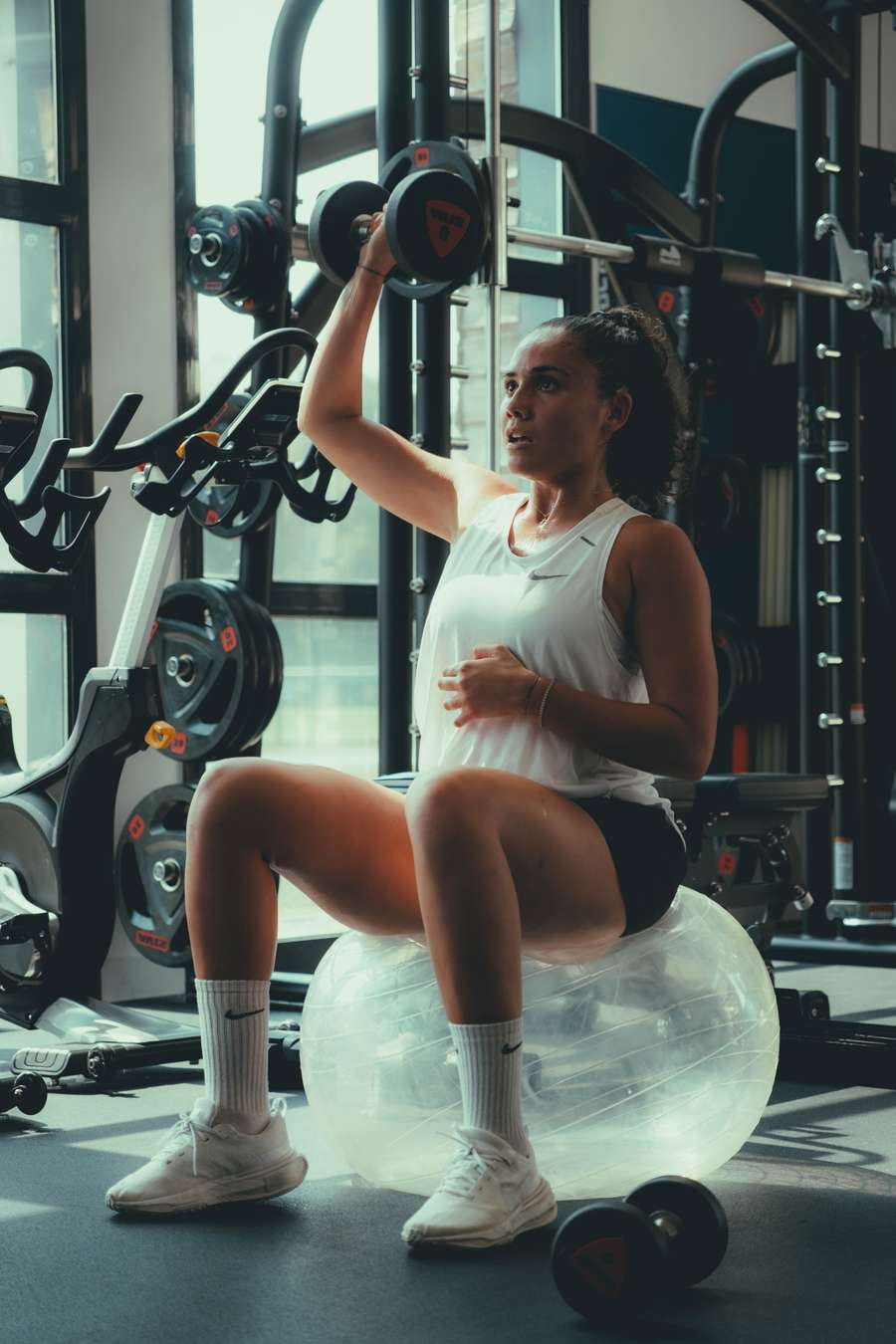
“I certainly do. Training during recovery focuses on elements that might otherwise be neglected during a normal season due to various pressures. This enforced break provided invaluable insights, transforming me in the process. I’ve returned stronger.”
What specifically do you feel has enhanced about you?
“I’d say my physical resilience has improved. As an athlete, your recovery methodologies and overall lifestyle significantly shape your development. I believe I’ve made substantial progress in that regard, and I also feel more determined mentally. The understanding that everything could change overnight drives me to fully embrace each moment.”
Did fear linger at any moment?
“Absolutely. If the surgery hadn’t been successful, that could have been everything. So much was at stake. Despite that, I never let fear consume me.”
Are the surgical options available limited following such a fracture?
“It’s not just three options; the first, second, and third each entail progressively invasive procedures. Currently, I have a plate in my foot. As long as it’s not bothersome, I may not need to remove it.”
World Cup aspirations
Let’s touch briefly on Chelsea; you were able to train with them during your rehabilitation. What were those sessions like? How does it differ from your experiences in France?
“Yes, it’s a whole different world. The intensity of English football, both men’s and women’s, is remarkably distinct. Being prepared physically is paramount.
“The intensity is on a different level; if you aren’t ready, it’s challenging to keep pace. English football has its unique culture, and it’s a valuable learning curve in every aspect. Being isolated at training demands you adapt; it presents various challenges that aid personal growth.”
Do you see a future return to Chelsea in your career?
I aspire to don the Blues shirt again. I’m committed to doing whatever is necessary to realise that hope.”
What’s the current communication with the club? What feedback do you receive?
“The situation is complex right now since we’re uncertain about my recovery timeline. I believe the focus should be on finalising these last matches. After that, we’ll engage in discussions about my readiness, their needs, and how it all aligns for next season.”
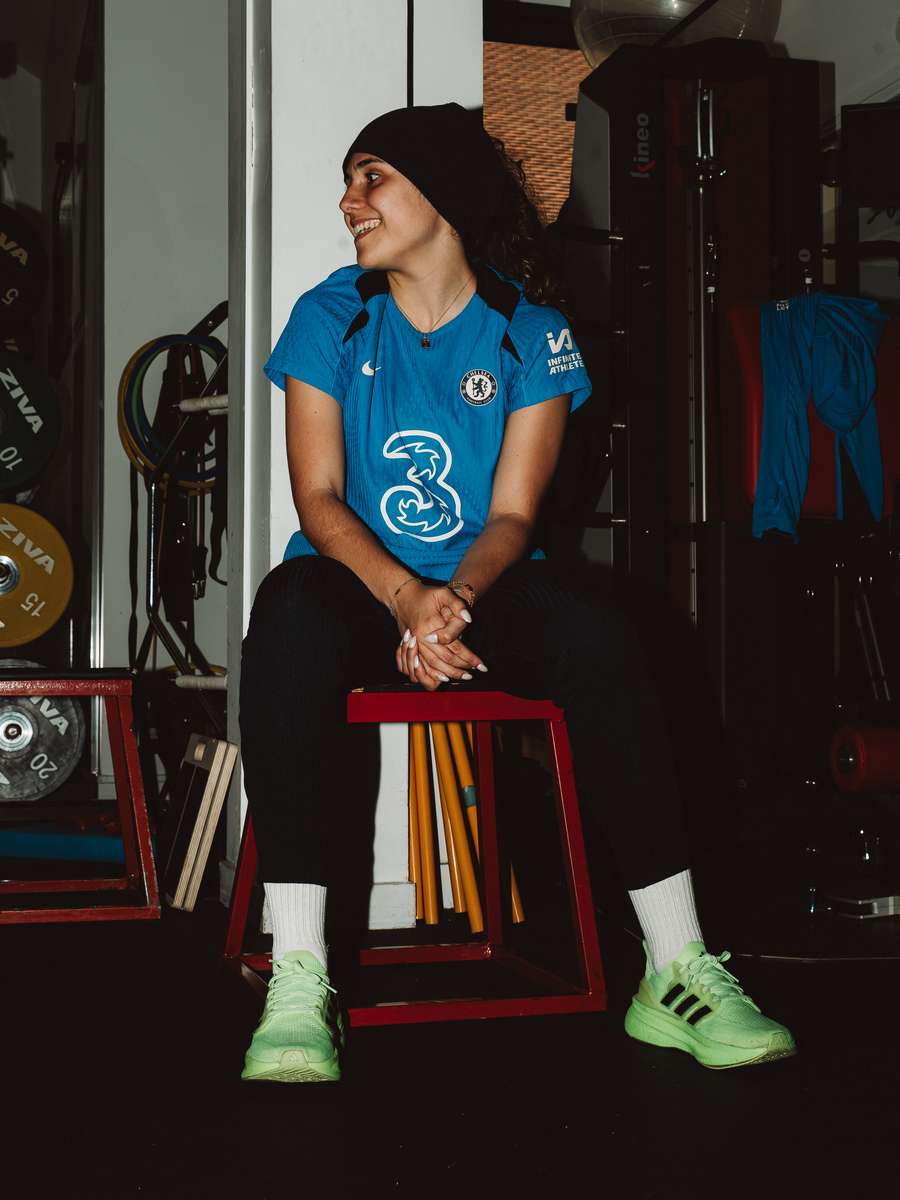
Have you dedicated time to improving your English during your rehabilitation?
“Absolutely! My initial understanding was limited to what I learned in high school. I’m also fluent in Portuguese and Spanish, so my linguistic skills come easier as a result. I’m putting in the effort to refine my English, especially with the English being very accommodating in terms of assisting me with my progress. Though I wouldn’t call myself bilingual yet, I can communicate effectively.”
There were rumours of other clubs in France showing interest over the summer. Is staying in the region a possibility?
“Yes, it could happen. A loan could be in the cards. Right now, I’m keeping my options open. My focus is on finishing the current season, ensuring I’m on track physically, and then making informed decisions. The World Cup next year is certainly a consideration in my planning.”
What are your immediate goals?
“My immediate objective is to play again, whether in Chelsea’s squad, on loan, or even with Fleury. Rediscovering my joy in playing is essential, followed by hoping to return to the national team.”
Is your love for the game even more intense now than before?
“Definitely! I approach training with enthusiasm, relishing even the less enjoyable sessions. I often think, ‘If only these complaining players could see where I’ve been.’ I appreciate every training session without reservation.”
What can we wish for your future?
“Primarily, I hope for good health and countless positive experiences. If I maintain that health, I’ll continue to push myself.”
Have you thought about a celebration in mind if you score during the remaining season?
“I do have one in mind, although it’s yet to be revealed. Rest assured, if I score, it will be executed!”
Compiled by SportArena.au
Fanpage: SportArena.au.
LiveScore – Live Sports Results & Odds.
