


Shakhtar Donetsk’s head coach, Arda Turan, is celebrated as one of Turkey’s greatest ever football talents. Rising through the ranks at Galatasaray, where he became club captain at the tender age of 21, Turan later made his mark in Spain, contributing significantly to LaLiga triumphs with both Atletico Madrid and Barcelona. A player of exquisite skill and natural talent, he also made 100 appearances for the Turkish national team, ranking as the sixth-most capped player in their history.
In 2023, during his debut season as a manager, Turan took the reins at Turkish club Eyupspor, leading them to their historic first promotion to the Super Lig.
The following season, he achieved an impressive sixth-place finish in Turkey’s top division, drawing the attention of Shakhtar.
Now in charge of the Ukrainian side, Turan is on the verge of clinching his 16th league title while gearing up for a UEFA Conference League semi-final showdown against Crystal Palace.
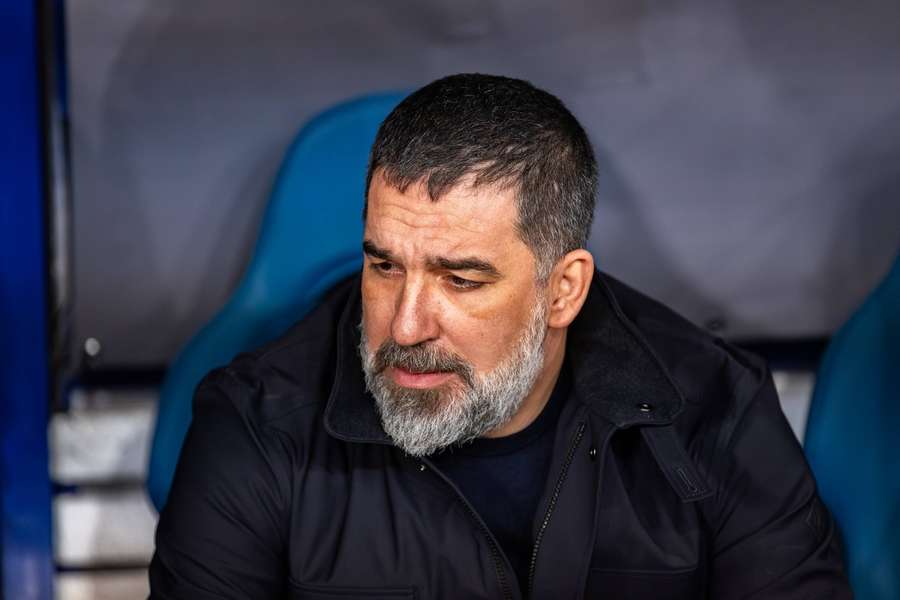
Shakhtar holds just one European title in their history, having won the UEFA Cup in 2009, and Turan has ambitions for further continental success.
Your season at Shakhtar has been remarkable, with prospects of reclaiming the Ukrainian Premier League title and advancing in the Conference League semi-finals. Reaching the semi-finals of any European competition is impressive, especially given the challenging backdrop of Russia’s invasion. How are you feeling about it, and how would you evaluate your first year at the club?
“Firstly, I wish to express my gratitude to Shakhtar. The organisation is outstanding, a feat achieved despite the ongoing war. It’s hard to genuinely grasp the situation without experiencing it firsthand,” he reflected.
“Our travel demands are strenuous, often extending to 15 hours, and we carry the hopes of our supporters with us, which we instill in our players.
“As for the league title, we’ll remain focused and serious until the end. We progressed to this stage in the Conference League after overcoming four qualifying rounds. If we perform well in Europe, it sets us up for a direct spot in next season’s Champions League group phase, which we understand is of great significance.
“We’re thrilled about the semi-final match-up. I believe our journey could inspire the youth of Ukraine and beyond. We hold deep respect for our opponents but aim to play our own style, as we are committed to building a future team here. That is our aspiration.”
Having spent a significant period at Eyupspor before transitioning to Shakhtar, what were your thoughts upon joining, and did you anticipate such success?
“Admittedly, I had doubts at times, but I firmly believed in Shakhtar’s football culture and organisational structure. I’m also heavily reliant on my game philosophy and approach. It can be challenging for new players to grasp my ideas, especially given our demanding pre-season.
“Moreover, I strive for clarity in certain aspects to ensure the players are on the same page. I’ve faith that the connection we have with our squad has brought us this far. While I would be dishonest to claim I had no doubts, I always held faith that we would find success.
“During my time at Eyupspor, I often told my coaching team that we should train their players with the same intensity as if we were setting up for Barcelona or Atlético. Thus, we were well-prepared for the Shakhtar experience.”
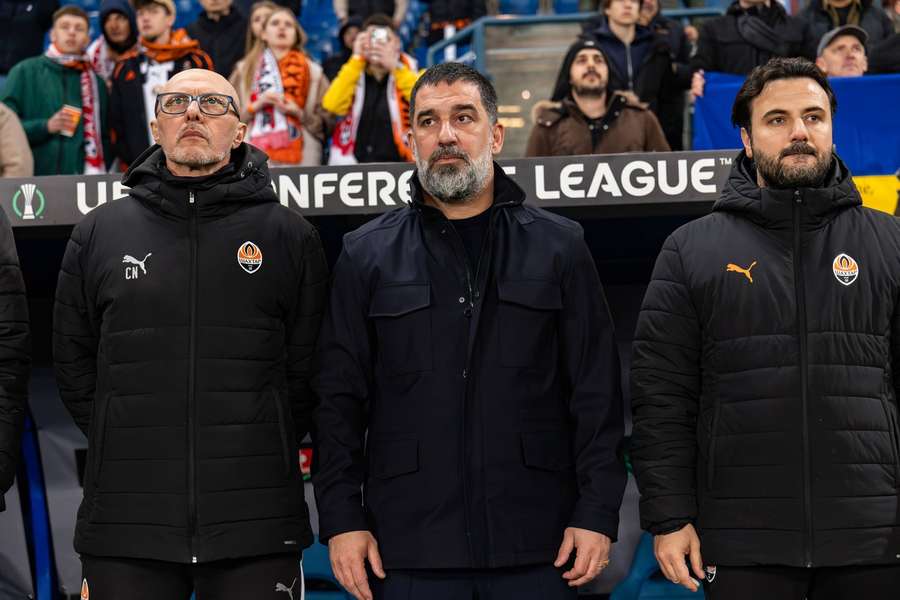
Drawing from your rich experience under celebrated coaches such as Fatih Terim, Luis Enrique and Diego Simeone, how have they influenced your managerial style?
“From Diego Simeone, I gleaned invaluable insights into defensive strategies, understanding the importance of angles in double teams, when to clear the ball, and constructing an effective defensive block. He taught me that the collective spirit and camaraderie can drive a team to success.
“Luis Enrique introduced me to various offensive tactics, showcasing formations and solutions to counter different pressing styles. I learnt to value passing over dribbling and how to create effective passing triangles.
“Fatih Terim schooled me not to focus solely on formations, but rather understand the underlying system and principles that govern them. He had a knack for tailoring strategies to suit different players effortlessly. Moreover, I admired his motivational skills and his ability to connect with players.
“Luis Enrique also emphasised open dialogue with players, knowing precisely how to engage with them in the right context to maintain their respect and understanding of their positions on the team.
“From all of these coaches, I absorbed the essence of spirit and the relentless pursuit of victory through fair play. They exemplified hard work and dedication, and I am grateful for the lessons I’ve received. I hope one day they can witness how their teachings manifest in my coaching approach.”
Shakhtar is known for nurturing young talent and developing top-notch players. How do you assess the progress of your young squad this season?
“The development of our young players has been nothing short of remarkable. Currently, we have more youth players than ever at Shakhtar, a situation arising from the war. While we previously had several young Brazilians in our ranks, who represented the senior national team, our current players are competing for the U18, U19, and U20 Brazilian squads.
“Many of them possess excellent potential for the future. Given the changing times, we’ve had to adapt our communication methods to align with how they learn, acknowledging that the teaching techniques suitable for them now differ significantly.
“This year, we’ve been among the teams playing the most fixtures in Europe, which I view as invaluable experience. We could even enter the UEFA Youth League as our squad’s average age aligns well for that purpose.”
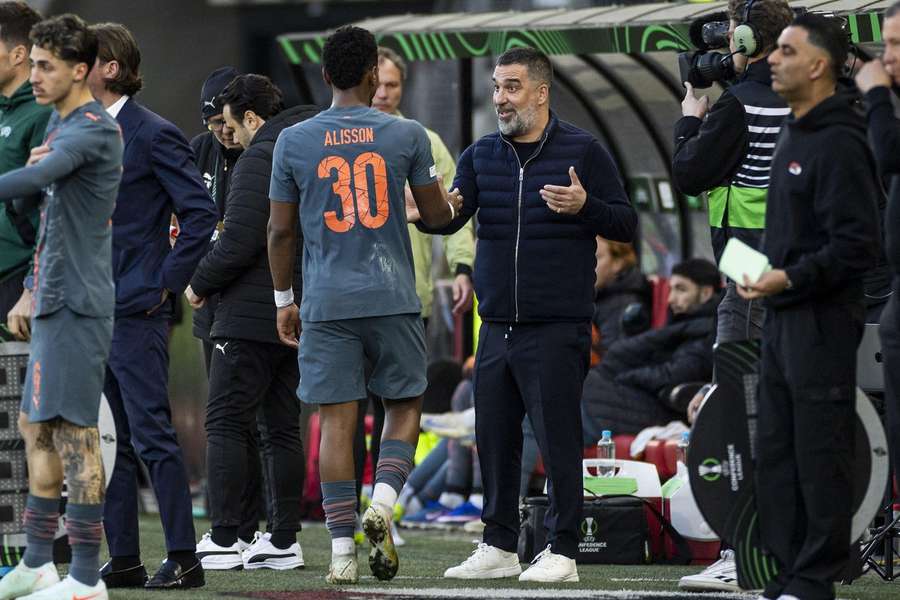
As a former player known for your flair and elegance, how will you approach managing players with instinct and creativity under your tutelage?
“I am keen on preserving the beauty of football and not stifling the art that makes it engaging for future generations. Though football has evolved, I strive to grant my players the freedom to express themselves on the pitch. In the initial two zones, we adhere to a system, yet in the attacking third, I prefer to unleash their creativity and individual talent.
“The game is indeed evolving, and I suspect it could revert to a framework reminiscent of earlier eras, especially as one-on-one pressing gains traction. However, I am sceptical that a team can consistently maintain such tactics throughout a full 90 minutes.
“For instance, the recent match between Paris Saint-Germain and Bayern Munich showcased this reality. Moving forward, while talents and dribbling skills become increasingly vital, knowing when and where to apply these techniques is paramount. Players should enjoy freedom, but it should be exercised judiciously across the pitch.”
Reflecting on the current landscape, do you sense a decline in individual talents compared to your playing days? Are there fewer standout, maverick footballers today?
“I believe that the archetype of football stars is changing. Previously, players celebrated for their exquisite first touches, artistic passing, and individual dribbling skills emerged as stars. Today, we see a new breed, such as Vinicius Junior and Kylian Mbappé, who thrive on dynamism and agility in one-on-one situations.
“It seems to me that the notion of what constitutes stardom has shifted. The focus has transitioned from midfielders and classic playmakers to more prominent wingers in today’s game. And while the landscape changes, Lionel Messi remains the best in the footballing world, a standard up for no comparison.”
As you gear up for the semi-finals against Crystal Palace, what are your thoughts about the team, and what challenges do they present?
“I had the opportunity to visit Selhurst Park to witness a match live last December. Crystal Palace possesses an exceptional coach with a history of winning European trophies, and he understands how to compete against top-tier clubs. This team clearly reflects the philosophy of their coach.
“They play with dynamism, excelling in individual duels, and adapt well whether attacking or defending. Their proficiency in one-on-one pressing is matched by their effectiveness when reverting to a defensive set-up. They warrant respect, and this match will be a brilliant experience for us as we aim to develop a team capable of challenging for the Champions League quarter-finals, semi-finals, or even the final in the future.
“That’s our ambition, hence playing against a team like Crystal Palace will serve as a significant litmus test for us, given their experience against prominent Premier League teams.”
Your admiration for Glasner is apparent; are there any individual Palace players you feel require extra attention?
“Discussing individuals in a matchup against a well-rounded team like Crystal Palace would be misguided, as any player can turn the game in their favour at any time. Our defensive approach needs to be collectively managed.
“In a two-legged tie like this, focusing too much on individual threats could lead to vulnerabilities. They possess strong transition capabilities and are dangerous during set-pieces and crossing situations. Therefore, it’s imperative we maintain a collective defensive discipline, as any player can score in such a dynamic team.”
As a manager, how do you prepare for a match where the stakes are high? What message will you convey to your players?
“In two-legged matches, it’s unrealistic to expect flawless performance for both 90 minutes. It’s essential to manage critical moments effectively during both games. Sustaining focus is vital.
“Recognising that Crystal Palace are physically outstanding, we need to brace for contact. Embracing a positive semi-final mindset is crucial, and we must be diligent about the moments when they apply pressure.
“When the match is played predominantly in our half, we must rise to the occasion and stand firm, prepared for physical challenges. Facing a Premier League side necessitates us being 100% committed both physically and mentally. If we unify, we can achieve our goals. I recognise the challenge won’t be easy, but together we can accomplish it.”
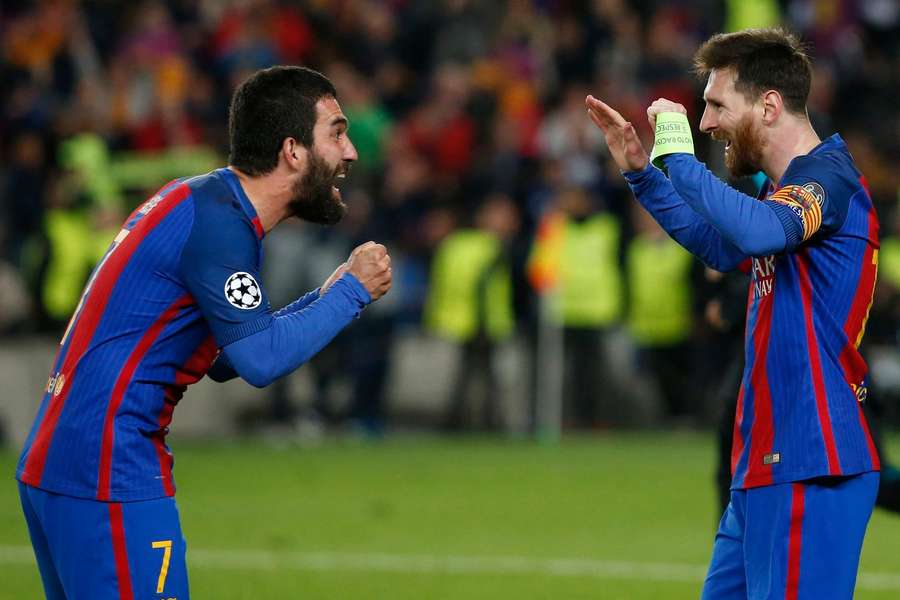
Looking back to your time with Messi and the legends at Barcelona— how did the transition feel? Did you notice a tangible difference in the atmosphere, particularly sharing a dressing room with such stars?
“Without doubt, I hold immense respect for those players, but I also entered Barcelona as an accomplished individual, having already secured five trophies, including LaLiga. They were remarkable players I admired and sought to learn from, but I wasn’t just a bystander.
“During my tenure, I too contributed to our successes. I thrived in their system, fully engrossed in the highs and lows on the field. I aimed to add value, and I genuinely believe I did.”
Your time at Atletico Madrid saw you triumph over Spain’s giants, Real Madrid and Barcelona. What was it like to achieve LaLiga glory with Atleti in 2014?
“That title ranks as one of the most extraordinary achievements in football history. While some might liken it to Leicester City’s story, I consider it unparalleled, as it unfolded against the backdrop of the two greatest teams ever.
“Winning that title filled me with pride, but it also served as a lesson. We acknowledged our circumstances—the stars aligning against us with Messi, Ronaldo, Higuaín, and Neymar, yet through unity and purpose, we believed we could defy the odds.
“It reinforced my conviction that determination and a commitment to doing what it takes to win can lead to remarkable victories in life. It stands as a testament to the power of teamwork and collective spirit within football.”
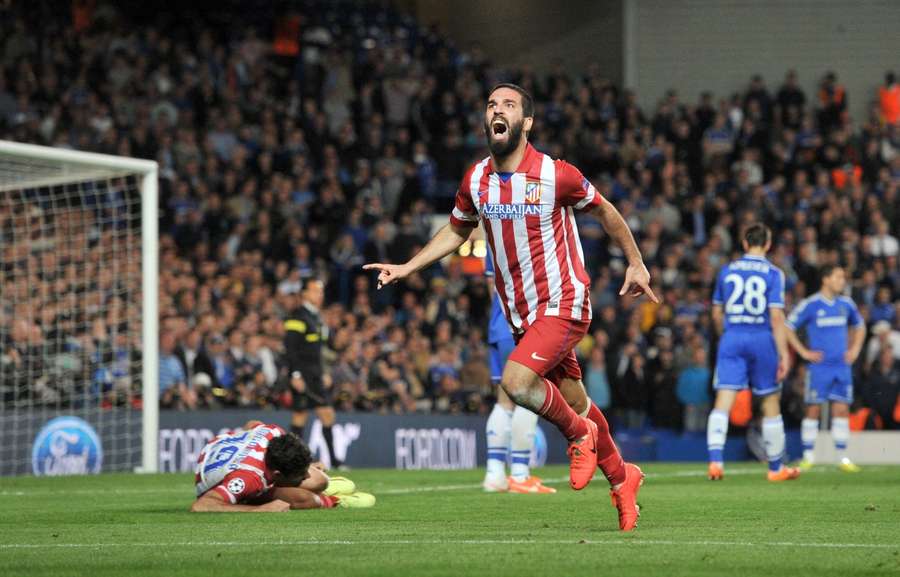
You made your name at Galatasaray— how did that development shape you as a player, and what was it like to captain the club at such a young age?
“There is nothing greater than witnessing a child’s dream fulfilled, and being captain of Galatasaray at such a young age remains one of the highlights of my life. The club operated under far more challenging circumstances back then; we didn’t have the modern facilities we enjoy now, facing teams with more financial resources.
“I felt a strong sense of pride as captain, embodying the spirit of resistance and perseverance against those adversities. It’s likely a different scenario for today’s generation with social media’s influence.
“Nonetheless, those early experiences instilled invaluable lessons in me, both on and off the field, which I carry proudly to this day. It was the fulfilment of a little boy’s dream.”
Turkey is gearing up for their third World Cup, the first since 2002. What were your emotions upon their qualification, and how would you rate Vincenzo Montella’s impact?
“Montella is an extraordinary manager for us. His work has been fantastic, and we are incredibly grateful to him. Today’s Turkish national team presents a unified front; while individual talents shine, the cohesion of the team is key.
“When they qualified, we followed them with immense pride and excitement. They energise our supporters, and we have high hopes for their performance in the tournament. We stand firm behind them with fervent encouragement, hoping they can make us proud.”
What players do you believe will be pivotal for Turkey during the tournament, and what do you think they can accomplish?
“I feel particularly optimistic about the World Cup; I believe they can achieve far beyond mere expectations. Stars like Arda Güler and Kenan Yıldız inspire great excitement.
“Hakan Çalhanoğlu stands as a solid leader for the squad. Yet, I feel the essence of their potential lies in their collective strength, encapsulating the determination of one unified team.
“We must also consider key players like Uğurcan Çakır in goal and talented full-backs like Zeki Çelik and Ferdi Kadıoğlu. Midfielders like İsmail Yüksek and Orkun Kökçü bolster our squad along with promising youngsters like Barış Alper Yılmaz, Kerem Aktürkoğlu, and Yunus Akgün.
“Ultimately, while individual performances matter, the most crucial factor is their unity as a team. I firmly believe they can excel in the tournament, with the right conditions paving the path for their journey ahead.
“I see them as my younger siblings, and while I don’t want to place undue pressure, they certainly invigorate our hopes and dreams.”
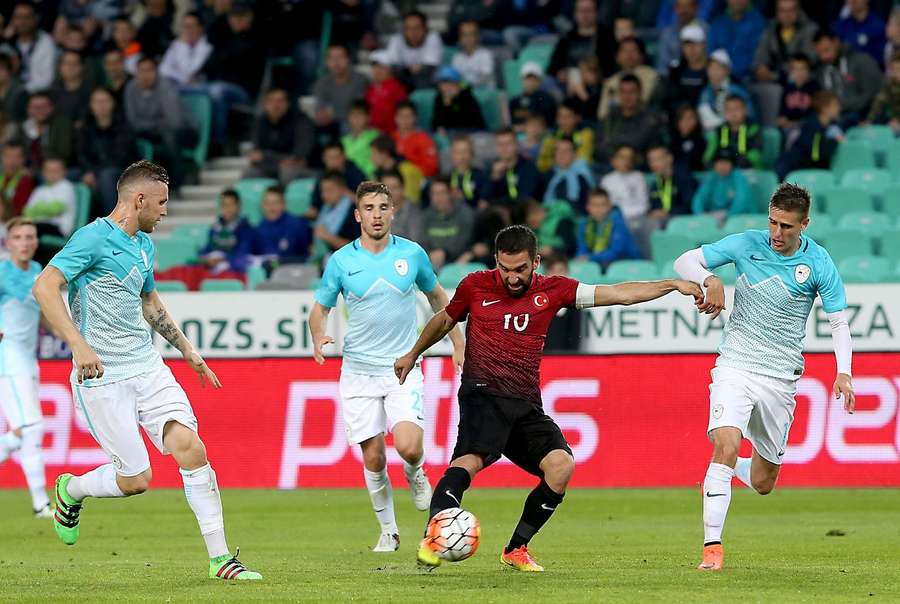
Reflecting on Turkey’s journey to the EURO 2008 semi-finals, how would you describe that experience, and do you consider it your proudest moment for the national team?
“Absolutely, it was a remarkable period in my career. I performed admirably throughout the tournament, and there were other games that stood out to me, notably during our World Cup qualifiers, which were quite distinct.
“The guidance of Guus Hiddink made a tremendous impact. Each day with the national team reinforced the notion of how fortunate we were to be part of such a journey and the importance of valuing that opportunity.
“I wouldn’t pinpoint a singular moment as my proudest in international duties, but EURO 2008 stands out as a significant achievement for many. However, I also carry a sense of disappointment because I genuinely believe we had the potential to win the tournament. Thus, my recollections are bittersweet—embracing success while grappling with what could have been.”
Compiled by SportArena.au
Fanpage: SportArena.au.
LiveScore – Live Sports Results & Odds.
