


There’s a classic adage: live sport has always been, and will always remain, the ultimate reality TV experience.
Golf is rife with drama—think Greg Norman’s heart-wrenching collapse during the 1996 Masters, Rory McIlroy’s agonising miss at the 2024 US Open, followed by his tearful triumph at last year’s Masters.
However, when a wave of prominent players switched to LIV Golf, it stripped the PGA Tour of a key element essential for crafting authentic, unscripted sporting narratives: Rivalry.
Yet, the return of notable figures like Patrick Reed and Brooks Koepka from LIV Golf presents the PGA Tour with a golden opportunity to revolutionise its marketing strategy and the broader image of golf.
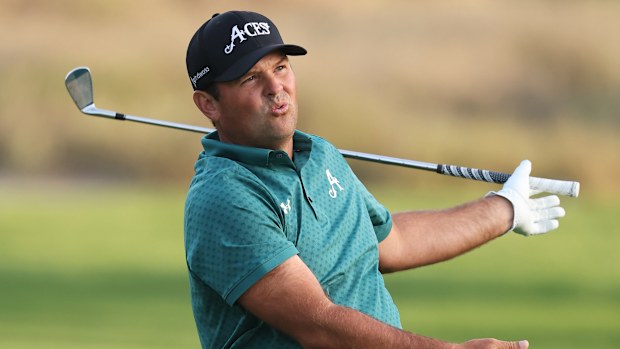
Patrick Reed is a notable figure who joined LIV Golf. Getty
Polarising opinions surround the 35-year-old Reed, making him one of golf’s most controversial characters. Throughout his career, he’s had showdowns with fans, fellow golfers, the media, pundits, and even officials.
After establishing himself in college golfing, Reed faced serious allegations of cheating, with accusations surfacing in 2019 and 2021 about illegally improving his lie in bunkers and waste areas. One commentator even claimed to have witnessed him cheat on four separate occasions.
Known as a self-proclaimed “lone wolf,” Reed has few allies on the tour, is distanced from his family, and prefers to conduct his affairs independently. This persona resonates with many fans.
Koepka shares a similar approach. Known for his bluntness with the media, he has long viewed golf as merely a job.
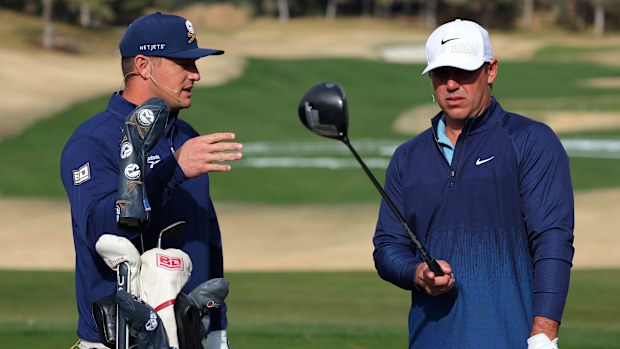
Bryson DeChambeau and Brooks Koepka. Getty Images for The Showdown
During an appearance on the Pardon My Take podcast in 2019, he notoriously described golf as “boring” and expressed regret at not pursuing baseball as a career.
“Golf is pretty monotonous, not much excitement. I come from a baseball family, it’s part of my heritage,” he remarked.
“If I could rewind time, I’d choose baseball—without a doubt.”
In theory, their controversial status should make them some of the most marketable assets for the PGA Tour. Historically, however, the tour has shied away from embracing any negativity to boost ticket sales or draw in viewers.
But a new leader at the PGA Tour might just be the one to change that.
Safer, but more monotonous.
By recruiting players like Reed, Koepka, Bryson DeChambeau, Phil Mickelson, and others, LIV not only brought in top-tier golfers but also those unafraid to speak their minds. This unique blend undoubtedly made them attractive to a tour that promised to revolutionise the game.
While it’s still debated whether LIV really transformed golf, it did manage to make the PGA Tour a bit more polished and, arguably, less exciting.
True, the PGA Tour’s roster still featured stars like Rory McIlroy, Scottie Scheffler, and Jordan Spieth, but it lacked the fierce rivalries that fans crave.
Fans were reminded of the potential for these rivalries during the 2024 US Open at Pinehurst when Rory and Bryson clashed on the final day, with Bryson ultimately winning after Rory faltered on the 18th.
This playbook played out again in the last round of the Masters, where McIlroy finally secured his green jacket and completed a career grand slam.
However, these rivalries were largely constructed by the fans and media, with little help from the Tour itself.
In any sport, a cast of villains is essential. The PGA Tour’s bland presentation supports the idea that the villains often garner more engagement than the heroes.
Across Australia, sporting codes enthusiastically promote rivalries, be it Roosters-Rabbitohs in rugby league or Collingwood-Essendon in AFL. Even Supercars tried to craft a narrative around Broc Feeney and Ryan Wood after the dramatic conclusion to last year’s championship.
The true impact of LIV
Jay Monahan has served as PGA Tour commissioner since 2017 but is currently transitioning the reins to new CEO Brian Rolapp.
Rolapp has spent the last two decades with the NFL, where he held the position of chief media and business officer upon his departure.
If any sport knows how to capitalise on rivalries, it’s the NFL.
Eamon Lynch is a highly regarded commentator in the golfing community. He stated that how the PGA Tour presents Reed, particularly with his return next season, will largely shape Rolapp’s strategy moving forward.
“He represents a litmus test for Brian Rolapp as he seeks to change the marketing culture of the PGA,” he commented.
“Reed’s return isn’t fraught with complications since he resigned from the PGA membership before moving to LIV, thus not violating any rules.
“He hasn’t participated in any lawsuits against the Tour, which carries weight in the locker room.”
While he may have few friends within the ranks, he likely has garnered respect.
“We all know what it means to be a sports fan. It’s not just about cheering for your team to win; there’s usually another team you’re hoping to see fail,” Lynch added.
“Similarly, it’s not only about rooting for your favourite player; there’s often someone whose downfall you revel in. That’s an aspect the PGA Tour has largely ignored.
“Patrick Reed embodies this idea—he’s unapologetically polarising. Nobody is indifferent about him. A significant number of fans hope he wins the Masters, while others wouldn’t mind seeing him falter at the last hole.
This is simply the reality of sports fandom, a facet the Tour has never fully embraced.
They seem set on presenting all players as benevolent, charity-loving figures, which isn’t entirely genuine, and it’s hardly the most effective marketing strategy.
If the Tour can lean into this villainous aspect … that’s the genuine fallout from LIV. It has sidelined all the polarising players.”
The surge in Formula 1’s popularity is largely attributed to the success of the Drive to Survive series on Netflix. Similarly, the world of tennis attempted to replicate this with Break Point, and golf is now on a similar path with Full Swing.
Golf has basked in a boost in popularity, yet this is primarily due to the 2020 pandemic, as it was one of the few activities people could engage in during lockdowns.
This surge hasn’t translated into increased viewership, however.
While Drive to Survive showcased the rivalry between Lewis Hamilton and Max Verstappen, Full Swing hasn’t been able to capture similar dynamics with McIlroy, DeChambeau, or any other competitors.
Reed and Koepka’s return to the PGA Tour offers a prime chance for the organisation to completely reimagine its marketing approach.
Golf is always filled with excitement, and if Rolapp plays his cards right and nurtures these natural rivalries in front of the cameras, the sport could attract a whole new generation of fans—pun intended.
Compiled by SportArena.au.
Fanpage: SportArena.au.
LiveScore – Live Sports Results & Odds.
