


You played a pivotal role in discovering Andrea Pirlo and assembling a remarkable team in Brescia back in the day…
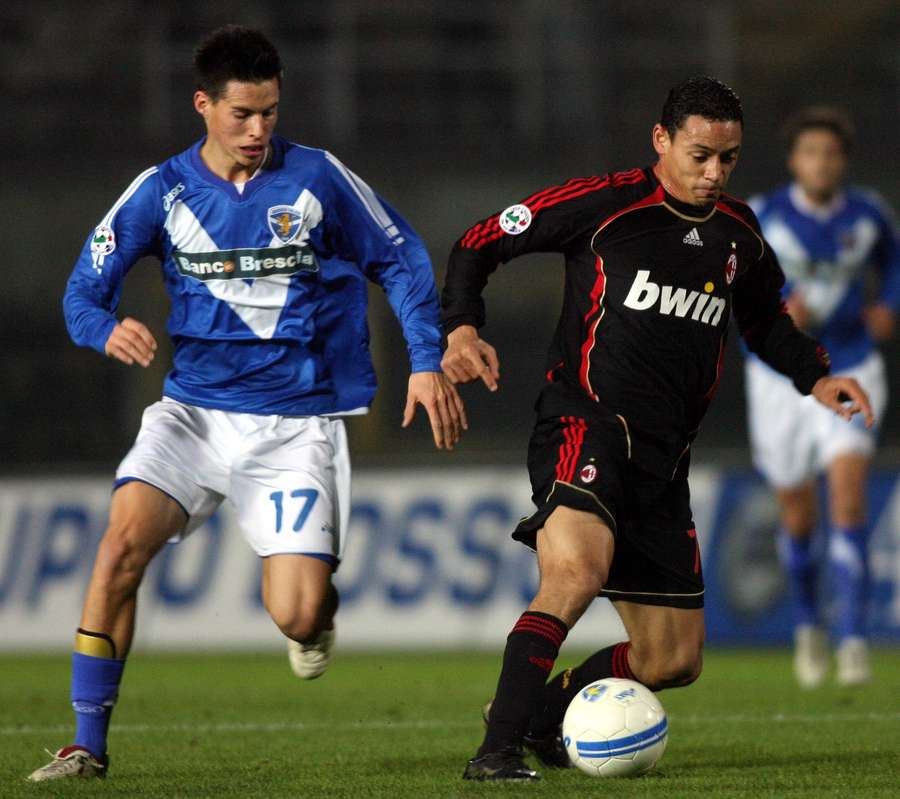
“Absolutely. That was the beginning of it all. At that point, we had players like Pirlo, (Roberto) Baggio, (Pep) Guardiola, Luca Toni, Igli Tare, (Daniele) Bonera, and more all on the same squad. We also had a very promising young talent from Slovakia named Marek Hamsik. We did some excellent work during that time, and I thoroughly enjoyed it.”
Can you recall how Hamsik ended up at Brescia?
“Yes, it was during a youth tournament where he was playing for his club’s second team.”
“I always emphasise that finding a great player isn’t just about being the only one who can recognise talent—when someone is exceptional, it’s usually clear to everyone. The real challenge is getting there first. That’s the essence of the scouting systems at Udinese and Watford: we organise our trips to be the first on the scene. That was the case with Marek, and it’s how we’re still acquiring players through the Pozzo family’s scouting network.”
When it comes to talents like Hamsik or Pirlo, is it a case of love at first sight, knowing immediately they possess something special?
“Not at all. Sometimes you go to watch a player because someone in your scouting network recommends them.”
“It’s important to understand that scouting is fundamentally different now. Nowadays, platforms like Wyscout allow everyone to view games from all over the globe. In the past, it required extensive research and travel. When you’re working with a club that can’t splash out cash, creativity becomes crucial. The top clubs often look at Under-17 or Under-19 international tournaments and World Cups. You have to adopt a different approach to scouting and choose your tournaments wisely.”
Regarding clubs with limited resources, how did you convince Baggio and Guardiola to sign with Brescia?
“We were fortunate with Baggio. He chose us to conclude his career close to his home in Vicenza, and Brescia was playing in Serie A while Vicenza was not.”
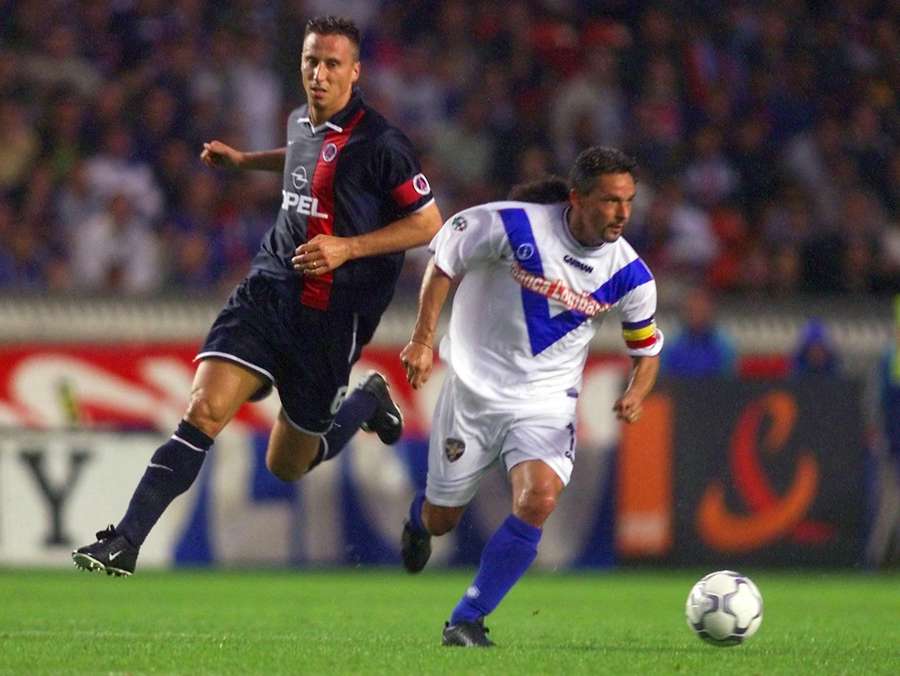
“Once we secured Roberto, everything became much simpler, even the acquisition of Pep Guardiola. When you have two of the top players in the world—even if they were experienced players by then—it makes it easier to bring others on board. They were fantastic ambassadors off the pitch as well. I recall Pep picking up academy players to take them to training. Can you imagine being an 11-year-old child riding in a car with the former Barcelona captain? What a character!”
“We have similar stories here in Udine. Many outstanding players have passed through Udinese: Alexis Sanchez, (Marcio) Amoroso, (Samir) Handanovic. This January, we signed two highly talented young players, Juan Arizala and Branimir Mlacic. Both were sought after by top clubs.”
“We can’t compete with offers that are higher, but young talents are aware that at Udinese or Watford, there’s a genuine opportunity to play. We discover talent, refine their skills, and they often transition to larger clubs. It’s beneficial for all parties.”
Is scouting more of a desk job nowadays, or do you still attend youth matches in person?
“Watching players live is invaluable; it reveals their personality and offers deeper insights. You can gauge quality through video, but meeting the player in person allows you to assess their behaviour and character. Sometimes, personality and mentality outweigh technical skills.”
Can you think of a player whose technical skills may not have been top-notch initially, but their strong character propelled them to greatness?
“Hamsik is a prime example. At just 15, his mentality was akin to that of a seasoned 30-year-old. Another is Mlacic, the player we just signed. He’s 18 but possesses the maturity of an adult. The way he engages with you, the questions he asks—it’s clear he has that special something.”
“Conversely, I’ve passed on players after inviting them to the club due to their conduct or interactions with others.”
Acquiring players is one thing, but cultivating their talents is quite another. What’s the secret behind Udinese’s success in player development before they move on to bigger clubs?
“I always remind my team that our work genuinely begins the moment we sign a player. Everyone tends to think that the tough part ends with the deal, but that’s when management and development actually commence.”
“When you don’t have a large budget, it’s crucial that every player grows into a valuable asset. Every cent is significant. Mistakes cannot afford to happen. Udinese is approaching its 32nd consecutive year in Serie A—very few clubs have achieved that, and we are effectively competing with the best. We must pay attention to every detail.”
What is your main selling point when attracting players compared to giants like Inter or AC Milan?
“The pitch and our history.”
“When you review our list of past players, the project we present is compelling. Just look at Nicolo Zaniolo—he’s played for Galatasaray, Roma, Atalanta, Aston Villa—and publicly acknowledged that at Udinese, we put players in the right position to excel.”
“We’re a small town of 100,000 inhabitants competing against cities with five million. Our strength lies in our organisation: training, nutrition, and injury prevention. For us, an injured player is a significant setback because our squad isn’t vast.”
Having been part of the top football scene for thirty years, do you lean more on modern analytics and statistics, or do you still trust your instincts?
“We do consider statistics, but we also rely on seasoned professionals like Mr Pozzo, Andrea Carnevale, and myself who have been in the field for 30 years, as you pointed out. We bring experience to the table.”
“We harness analytics to create a physical profile for every position, identifying key attributes. However, there are aspects that simply can’t be assessed through statistics—Marek Hamsik’s stats at 15 were virtually non-existent because he wasn’t playing regularly yet! That’s where a scout’s instinct plays a vital role.”
How many scouts do you have operating worldwide?
“It’s not about quantity; it’s about quality. I prefer collaborating with a select few. We share insights between the two clubs (Udinese and Watford). Sometimes, players fit the English style better than European and vice versa. We maintain a small, elite group to oversee everything.”
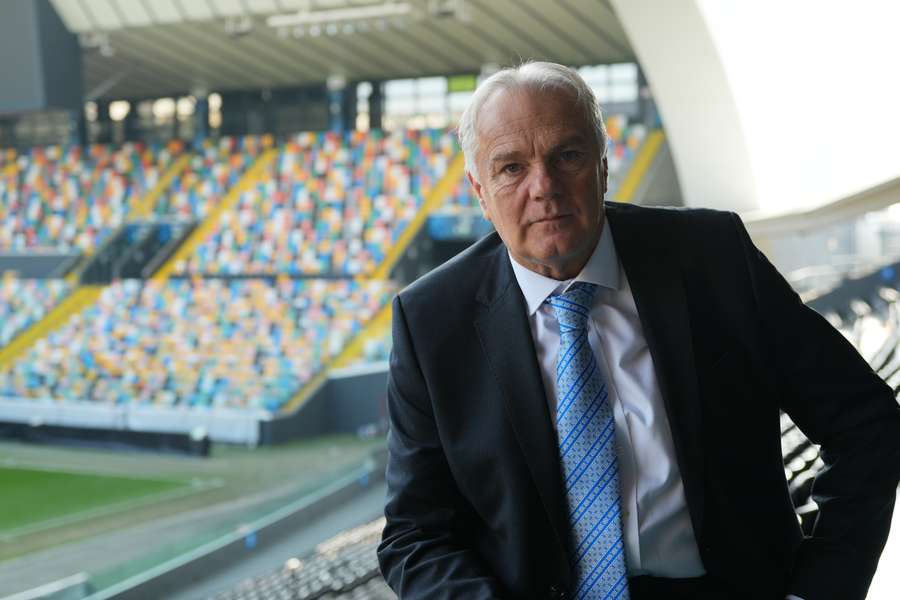
Earlier, you mentioned the synergy between Udinese and Watford presents a significant opportunity. Why is that?
“It’s a mutually beneficial opportunity. For example, a player like Keinan Davis might not have had the best experience at Watford, but here he has thrived. Conversely, players like Mamadou Doumbia or Edoardo Bove have performed better in the English setting. It’s a collaboration that enables players to grow where they fit best.”
Is there a particular player you take pride in discovering or nurturing?
“I feel proud of each one. Whether it was spotting Hamsik at 15 or witnessing Zaniolo flourish and express gratitude, stating, ‘You have given me my life back.’ I’m fortunate to work with a highly skilled team that surpasses my own capabilities. A strong staff is far more valuable than any one individual.”
To wrap up, since you’ve known Pep Guardiola since his playing days, was it clear he would become a successful coach?
“Certainly. I recall when he was at Brescia; he always had a unique way of thinking. He was an incredibly intelligent individual. You could see it in his playing style: even before receiving the ball, he’d anticipate where to pass next. He was always a few steps ahead. I knew he would take up coaching, if not the best in the world, then a successful one for sure.”
“I also had another player who became a notable coach: Roberto De Zerbi. Honestly, De Zerbi played in a similar fashion to a number 10, much like Baggio. Those players tend to want the ball to influence the game themselves. Guardiola was different; he had the ability to survey the entire field and orchestrate from the centre.”
Do you think it’s coincidental that many top coaches were central midfielders or playmakers?
“No, it’s not by chance, but I wouldn’t say that it’s a definitive rule. It really comes down to how a person’s mind works. Dino Zoff was a goalkeeper, and Johan Cruyff played as a number 10. However, being a central midfielder places you in the heart of the action, and that vision definitely assists.”
Compiled by SportArena.au
Fanpage: SportArena.au.
LiveScore – Live Sports Results & Odds.
